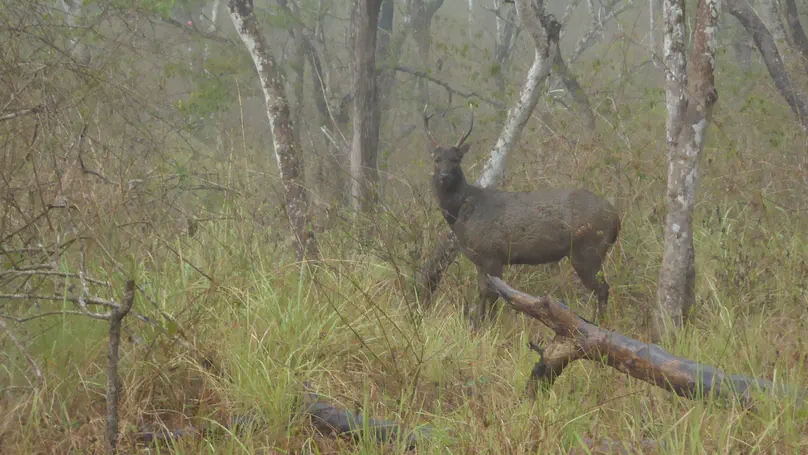
Megafauna are recovering despite persisting human activities in many landscapes. Our study highlights the capacity of low-pressure landscapes to support diverse megafauna communities, underscoring their potential to restore lost species.

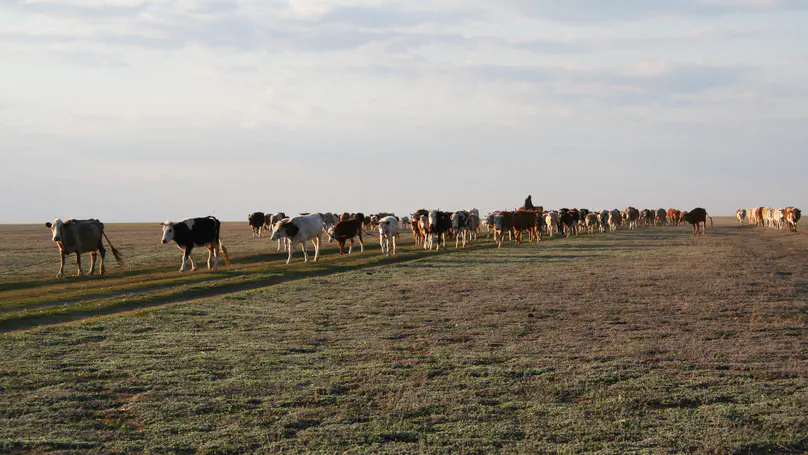
We used comprehensive Kazakh livestock numbers and grazing requirements to create an accurate picture of temporal and spatial changes in grazing patterns. Statistical analysis showed the largest increase in explanatory power in models that included grazing demand

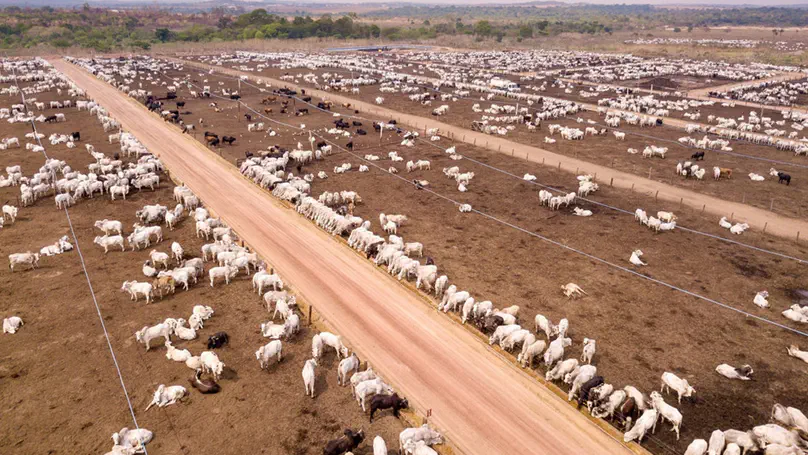
We use satellite imagery and active learning to map where cattle are confined—a sign of intensified production—across South America’s 3.7 million km² dry diagonal. We identify thousands of feedlots, concentrated animal feeding operations, and supplementary feeding sites, revealing that confinement-based cattle production is widespread. We reveal that feedlots are mainly found in cropland-rich, low-deforestation areas, while supplementary feeding sites are linked to higher deforestation. Our approach accurately distinguishes these systems, offering new insights into the geography of ranching intensification, its environmental impacts, and its connection to deforestation.
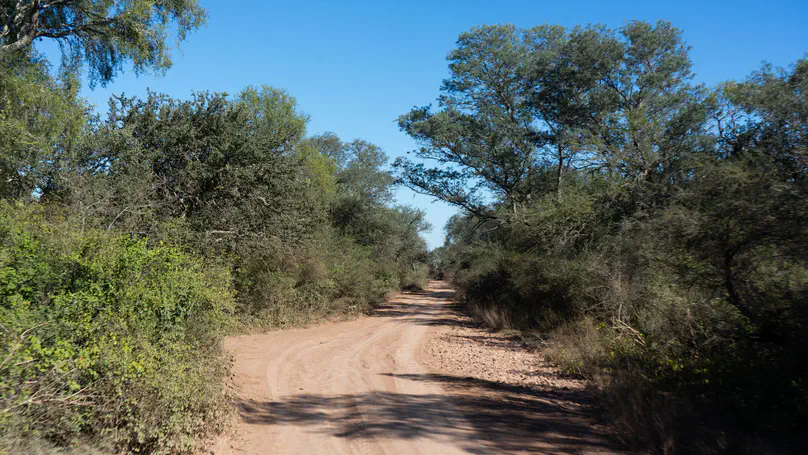
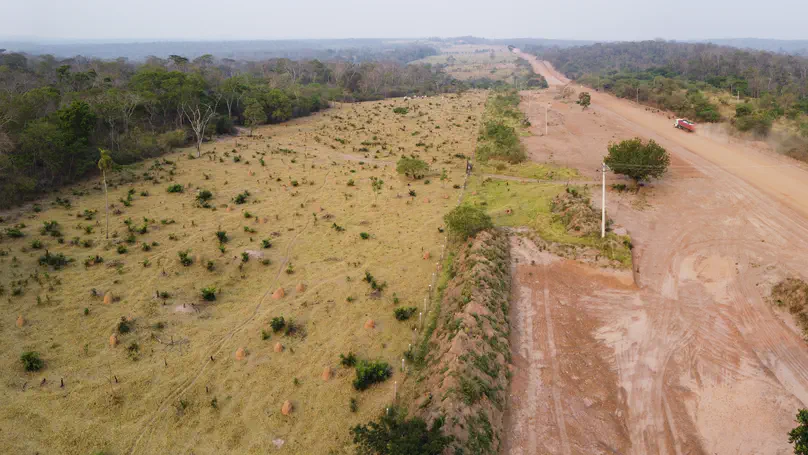
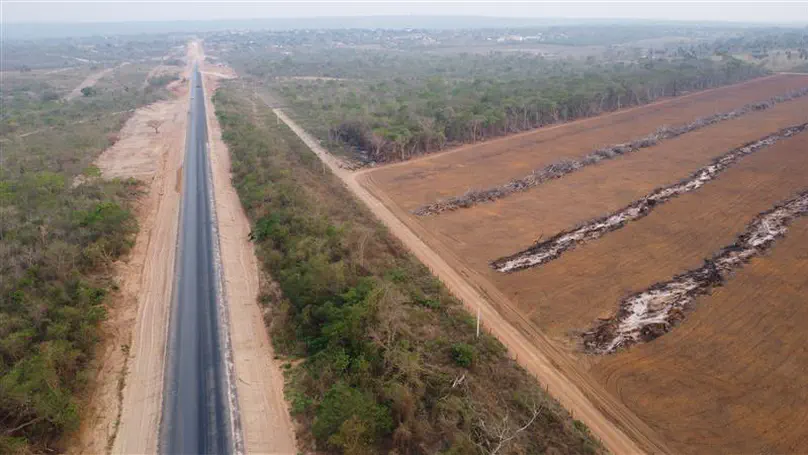
The expansion of commodity agriculture is the leading driver of deforestation globally, which makes it crucial that we capture it accurately. Yet the way we monitor agricultural commodity frontiers typically overlooks early dynamics of land claiming that precede deforestation. As a result, agricultural frontiers only become apparent when it is too late. Here, we develop an approach to map land claiming and apply it to the Gran Chaco, a global deforestation hotspot. We reveal that land claiming extends well beyond deforestation fronts and into what would appear like intact forests. Our approach can serve as a tool for the targeting of policies to protect dry woodlands and the many people who depend on them.

Combining data on trade, land use and biodiversity we map biodiversity risks of commodity production for local and international markets. Our research shows domestic consumption in Argentina and Paraguay causes more biodiversity loss in the Gran Chaco than exports

We analyzed the impact of +100 protected areas in the Chaco in curbing woodland loss. Only one-third of protected areas were effective in curbing woodland loss. Most effective protected areas additionally blocked woodland loss in their surroundings.Deforestation leakage, the displacement of woodland loss in the surroundings, was rare for protected areas in the Chaco.Patterns were consistent across countries, protected area’s governance levels and size.

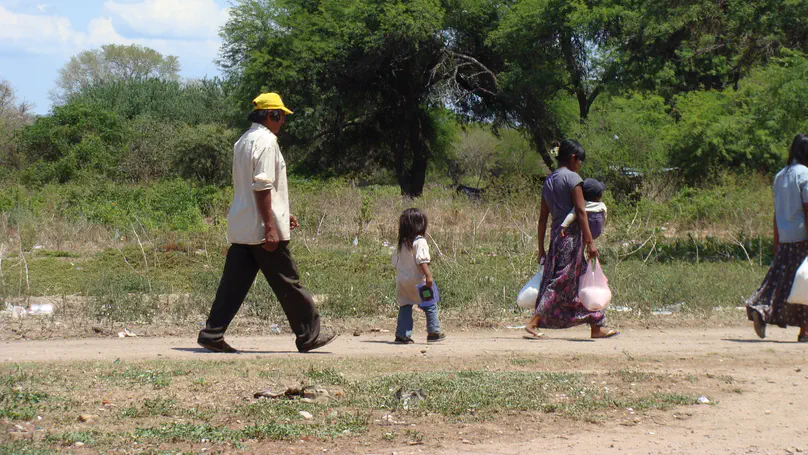
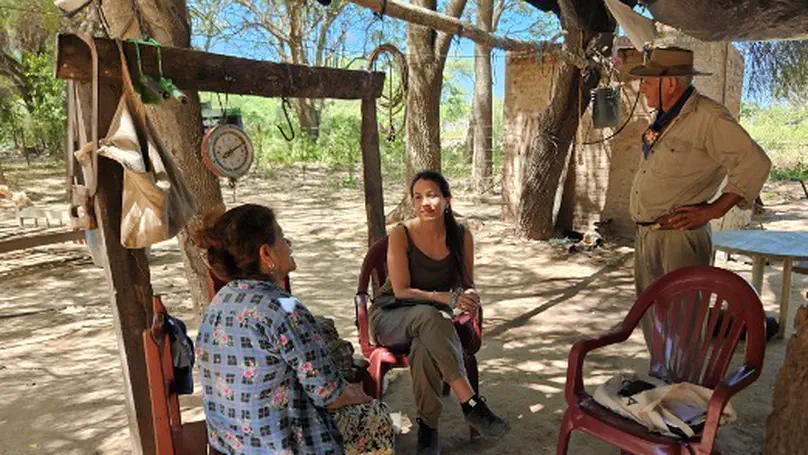
Land use is often oversimplified in broad-scale sustainability assessments, despite being central to many sustainability challenges. We developed a new approach that maps land use as social-ecological systems that can overlap in space. Our maps revealed typically overlooked actors, such as forest-dwelling smallholders, and highlighted substantial overlap between actors - particularly between smallholders and agribusinesses. This overlap can indicate land competition and potential conflicts, posing a risk of marginalizing smallholders.

We used an innovative species distribution modeling approach to shed new light on relationships between niches, distributions, competition, and richness in bats. Our results show that high bat richness is not clearly associated with environmental specialization and that geographic exclusion between overlapping species is strongest among specialists.

We used spatial population modeling to explore future European bison population trends and to test different conservation strategies, revealing that reintroductions are the most effective way to boost numbers and create larger, connected metapopulations. Our research highlights two promising regions for new metapopulations—Western Poland/Eastern Germany and the Eastern Carpathians—offering a roadmap for European bison recovery in human-dominated landscapes.

Our winter season surveys included 118 resident and 26 migratory grassland species of birds in agriculture-savanna mosaics of western India. Agricultural composition was a significant driver of winter bird distribution. Resident species were more adaptive to complex agricultural landscapes. Simpler savanna landscapes were indispensable for migratory grassland species.