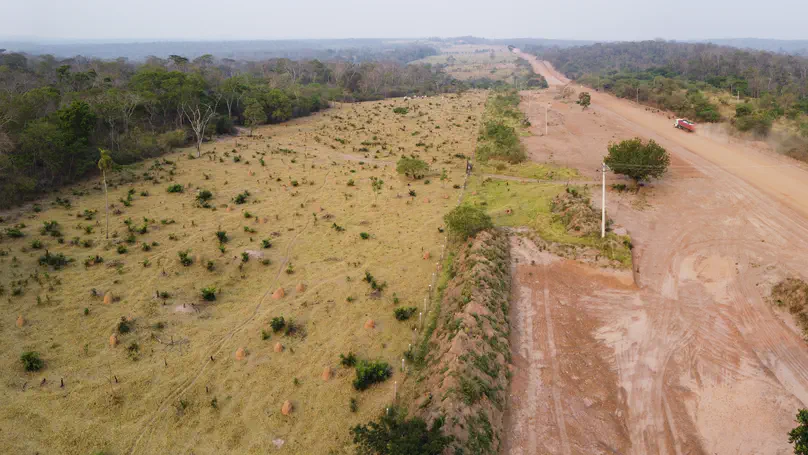
We analyzed the impact of +100 protected areas in the Chaco in curbing woodland loss. Only one-third of protected areas were effective in curbing woodland loss. Most effective protected areas additionally blocked woodland loss in their surroundings.Deforestation leakage, the displacement of woodland loss in the surroundings, was rare for protected areas in the Chaco.Patterns were consistent across countries, protected area’s governance levels and size.

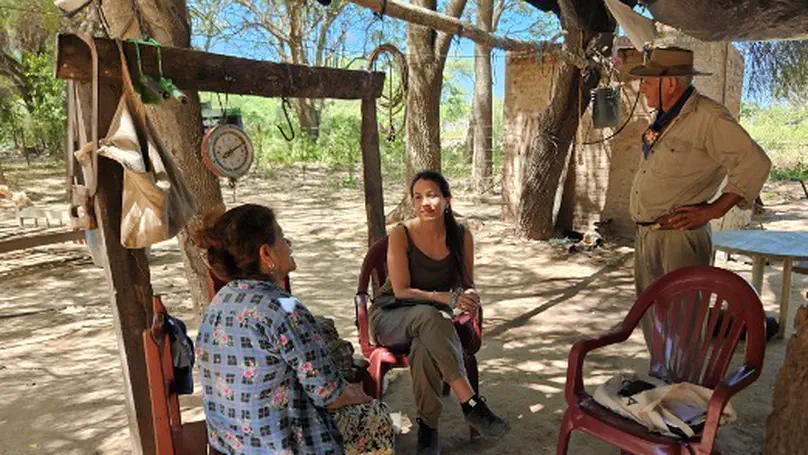
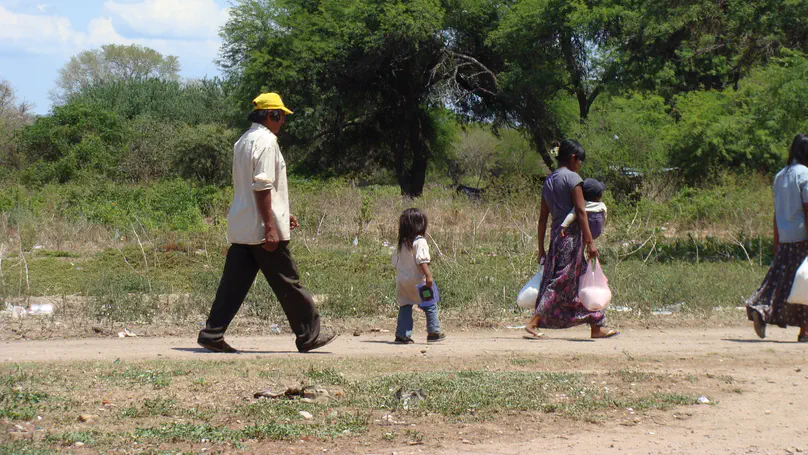
Land use is often oversimplified in broad-scale sustainability assessments, despite being central to many sustainability challenges. We developed a new approach that maps land use as social-ecological systems that can overlap in space. Our maps revealed typically overlooked actors, such as forest-dwelling smallholders, and highlighted substantial overlap between actors - particularly between smallholders and agribusinesses. This overlap can indicate land competition and potential conflicts, posing a risk of marginalizing smallholders.

We used an innovative species distribution modeling approach to shed new light on relationships between niches, distributions, competition, and richness in bats. Our results show that high bat richness is not clearly associated with environmental specialization and that geographic exclusion between overlapping species is strongest among specialists.

We used spatial population modeling to explore future European bison population trends and to test different conservation strategies, revealing that reintroductions are the most effective way to boost numbers and create larger, connected metapopulations. Our research highlights two promising regions for new metapopulations—Western Poland/Eastern Germany and the Eastern Carpathians—offering a roadmap for European bison recovery in human-dominated landscapes.

Our winter season surveys included 118 resident and 26 migratory grassland species of birds in agriculture-savanna mosaics of western India. Agricultural composition was a significant driver of winter bird distribution. Resident species were more adaptive to complex agricultural landscapes. Simpler savanna landscapes were indispensable for migratory grassland species.

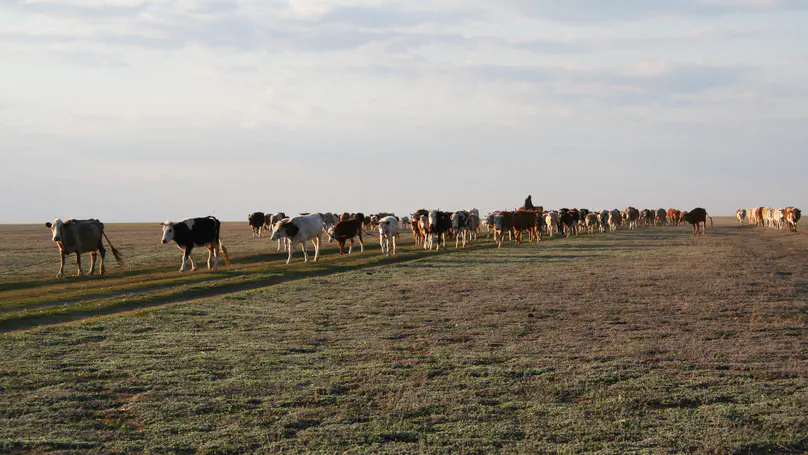
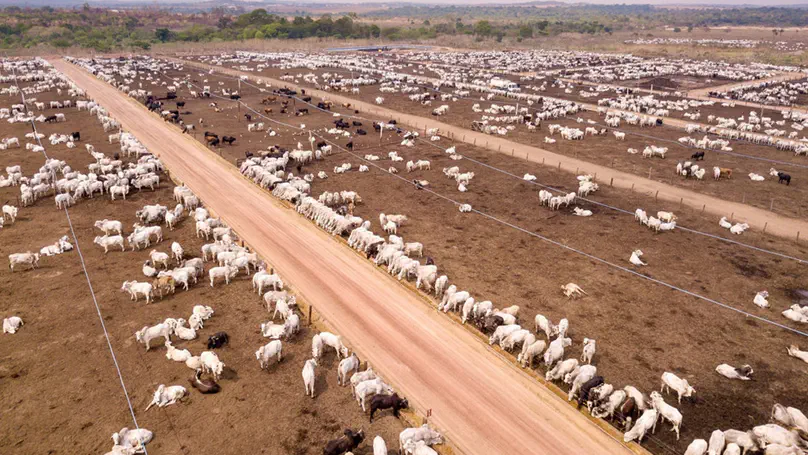
Grazing livestock is one of the most widespread land uses, driving diverse alterations across half of Earth’s ice-free land. The assessment of key indicators in grazing livestock systems remains limited, primarily due to a lack of information on system intensity. Here, we integrate new spatial indicators—such as confinement areas, silage bag maps, and smallholder woodland settlements—to refine the estimation of grazing pressure across the entire Argentine Dry Chaco. Additionally, we combine a grass growth model with high-resolution imagery to estimate the carrying capacity of rangelands, including natural grasslands, pastures, and silvopastures. Overall, our work highlights the critical role of livestock system characterization in improving impact assessments.

Combined hunting and habitat loss triggered dramatic declines in jaguar and puma populations in the Gran Chaco causing functional extinction of their guild across about 61% of the Chaco. Jaguars dropped by 88% and pumas by 80%, with their ranges contracting by 48% and 35% respectively. Hunting emerged as a far stronger driver of decline than habitat destruction. Large protected areas serve as vital population sources amid surrounding degraded landscapes.

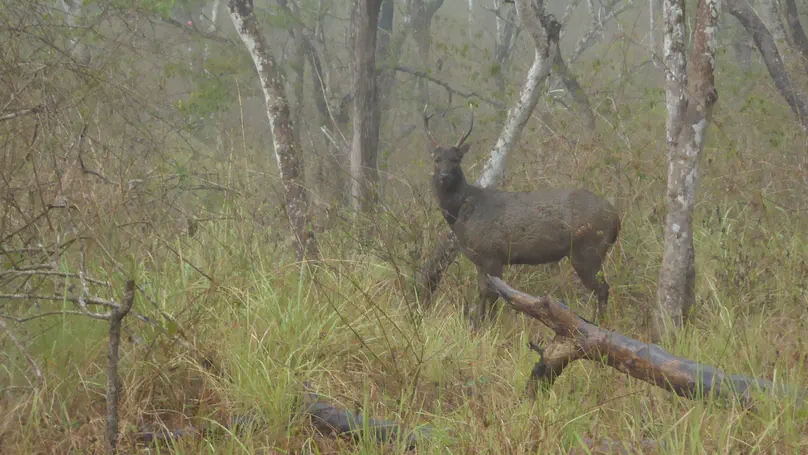
Megafauna are recovering despite persisting human activities in many landscapes. Our study highlights the capacity of low-pressure landscapes to support diverse megafauna communities, underscoring their potential to restore lost species.

Protected areas are the cornerstone of conservation efforts worldwide but their effectiveness in non-forested landscapes has been rarely assessed. Using remote sensing and matching statistics, we showed that protected areas in the Caucasus are ineffective against rangeland degradation, mainly due to livestock grazing.